
29. Understanding Hospice Care: When and How to Begin the Hospice Journey in Alzheimer’s and Dementia Care

Who knew understanding hospice could make such a difference in providing comfort and care for our loved ones? As caregivers for our loved ones with Alzheimer’s and other types of dementia, we’ve learned there are many misconceptions about hospice care. Nancy Heyerman and Brenda Kizzire collectively bring more than fifty years experience as hospice nurses […]
28. Is It Time? Evaluating Home and Community Living Options for Your Loved One with Alzheimer’s or Dementia

As caregivers for our loved ones with Alzheimer’s and other types of dementia, we often face the challenging question: “Is it time to change my care receiver’s living situation?” We are Nancy Treaster and Sue Ryan, and through our experiences, we’ve developed five essential tips to help you navigate this complex decision-making process. Understanding the […]
27. The Reality of Caregiver Self-Care: Moving Beyond Good Advice

Self-care is anything that is going to provide me emotional or physical energy, anything that is going to provide peace of mind, and anything that offers just pure joy. — Elizabeth Miller, Founder of Happy Healthy Caregiver When you’re caring for a family member with Alzheimer’s or other type of dementia, you’ve probably heard countless […]
26. Calming Caregiver Worries: Creating Your Effective Family Emergency Plan
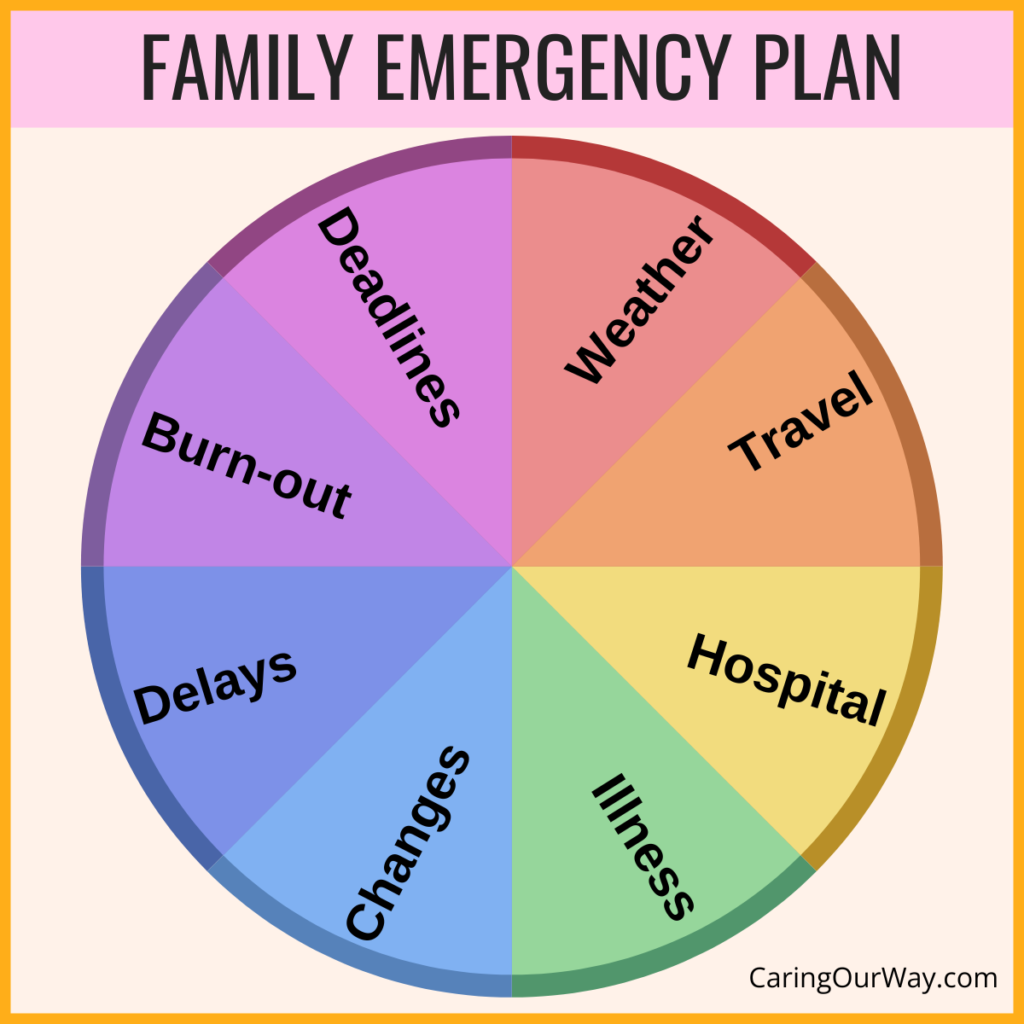
“Every worry needs a plan. We can name our worry around “Who’s my backup?, or “What do I do in case of an emergency?”, and then we can really start thinking through “What’s our plan for this?”” — Denise Brown, Founder, Caring Our Way Community When you’re caring for a family member with Alzheimer’s or […]
25. Supporting Your Parent as They Begin Their Caregiving Journey

When a parent is diagnosed with Alzheimer’s or another type of dementia and the other parent begins their caregiving journey, the dynamic between the caregiving parent and child shifts dramatically. Through our experiences and conversations with families navigating this transition, we’ve developed six helpful tips to help you support your parent as they take on […]
24. Valuable Updates on Oral Care for People with Dementia

“I discovered a growth on his gum that was only slightly smaller than a marble. That’s when I realized dental care involves much more than just brushing teeth.” As caregivers for our loved ones with Alzheimer’s and other types of dementia, we’re continuously learning and adapting our care approaches. Through recent experiences, we’ve discovered important […]
23. Dementia’s Challenging Moments: A Caregiver’s Guide to Delusions and Hallucinations

When your loved one experiences delusions or hallucinations for the first time, it can be frightening and overwhelming for everyone involved. As caregivers for our loved ones with Alzheimer’s and other types of dementia who have navigated these challenging moments, we’ve learned preparation and understanding make all the difference. Before we share our tips, we’re […]
22. Creating Engaging Activities for People Living with Dementia

Instead of trying to reclaim what dementia takes away, embrace the present — what your care receiver has access to now. As caregivers for our loved ones with Alzheimer’s and other types of dementia, we often struggle with adapting activities to their changing abilities. Through our experiences, and what we’ve learned from others on their […]
21. Beyond Bath Sets: Your Guide to Purposeful Caregiver Gifts

“If you give me a spa certificate but no gift of time to go with it, I’ll probably never use it.” As friends and family of Alzheimer’s and other dementia family caregivers, we want to give meaningful gifts that will actually be used and appreciated! Through our experiences and what we’ve learned from others on […]
20. Medication Management Matters: Your Key Role in Dementia Care

“I wish I’d started monitoring my husband’s medication sooner.” As caregivers for our loved ones with Alzheimer’s and other types of dementia, we’ve learned that medication management becomes increasingly challenging. Through our experiences, and what we’ve learned from support groups and others on their journeys, we’ve developed four important tips to help you support your […]