
57. Finding the Right Support Group: 4 Essential Tips
“Support groups are like lifelines — we’re around other people who are going through the same thing we are, and we know we’re not alone.” Kim Franklin Do you wonder if

“Support groups are like lifelines — we’re around other people who are going through the same thing we are, and we know we’re not alone.” Kim Franklin Do you wonder if

“One of the hardest parts in spousal caregiving is accepting that we’re no longer just partners. We’re now caregiver and care receiver. The loss of our emotional and physical partner

“What really helps is grounding yourself in three things: what change you’re noticing, how different it is from who this person has always been, and whether it’s getting worse over

“An accurate early dementia diagnosis is essential. It can make a significant difference in how families navigate the diagnosis.” Esther Kane, MSN, RN Your loved one has been diagnosed with dementia…

“Dementia is not just a medical journey, but it’s a financial and emotional one.” — Devon Banning, CFP, Moran Wealth Management Are you avoiding the financial conversation with your loved one

“Early decision making is key in any type of storm preparedness. Timing, knowing what your city/county alerts are, and making sure you have a communication plan, is vital.” — Celeste Lynch,

“The difference between TV as comfort and TV as chaos isn’t the screen — it’s understanding how the changing brain experiences what’s on it.” Allyson Schrier Do you rely on television

“Family caregiving is not simply about caring for the person who’s receiving care, it’s also about caring for everyone in the family through this whole process.” Dr. Barry Jacobs Are you

Do you know what you need to do immediately after your care receiver passes? Many caregivers don’t. Are you worried about missing important tasks or feeling overwhelmed by the sheer

“Think about the twilight zone of handing your teenagers the car keys while at the same time trying to wrestle them away from your aging parents who should not drive.

Grief in caregiving doesn’t wait until our loved one is gone. It’s with us throughout the entire journey — sometimes like a wave that knocks us down. Grief is teaching

“In this stage, caregiving actually in some areas becomes easier because we’re now in control. We’re not struggling with them. We’ve just taken it over. On the other hand, it’s

“In the “messy middle”, there are things your care receiver is no longer going to be able to manage on their own. What we want for them, in every possible

Knowledge is power. The more you understand about dementia caregiving, the more confident you’ll become, the more patience you’ll have with your care receiver, and the greater peace of mind

If you’ve ever felt overwhelmed because you don’t know what information you need, can’t find reliable sources, or feel frustrated by too much conflicting advice, you’re not alone — AND

“Palliative care is a holistic approach to a life-limiting disease that focuses not just on the patient, but on supporting the caregiver and entire family through education, collaboration, and comprehensive

Have you ever thought: “I wish I knew how to have a constructive conversation with my manager about how to align my work responsibilities and my caregiving responsibilities.”? Today we’re

“In the marathon that is caregiving, the difference between exhaustion and endurance isn’t willpower, it’s the strength of the support network we build around us.” Sue Ryan Are you feeling overwhelmed

We are Sue Ryan and Nancy Treaster. As caregivers for our loved ones with Alzheimer’s and other types of dementia, we are excited to have Nurse Practitioner Amy Imes, the program

Do you wish you could get a good night’s sleep? We do too! We are Sue Ryan and Nancy Treaster. As caregivers for our loved ones with Alzheimer’s and other
“If you’ve cared for one person with dementia, you’ve cared for one person with dementia. For those of us who find ourselves caring again — on a second, third, or

“An educated and confident family caregiver who knows what to do in their role is really the absolute best medicine for the care receiver.” Dr. Carolyn Clevenger Do you know

“It isn’t us versus them, it’s us collectively versus dementia.” — James Lee Is your loved one in a memory care community, or are you considering moving them into one? Understanding

“Sometimes it’s easy. Sometimes it’s hard.” Adding a new caregiver to your support team can be a challenging transition, whether they’re coming into your home, assisting your loved one who

“The care plan is only as valuable as the information you put into it.” — Amanda Lukoff Are you prepared for others to take care of your loved one? Do you

Finding the Right Support for Your Loved One’s Care Needs When the time comes to bring professional caregiving support into your loved one’s life, the process can feel overwhelming. Whether
We don’t know what we don’t know. Elder law attorneys do, and their expertise can be transformational for families facing aging-related challenges. Whether you’re dealing with a recent diagnosis, planning

When you’re grieving, the last thing you need to be doing is planning a service. Pre-planning allows you to make only two decisions when death occurs: what day and what

Who knew understanding hospice could make such a difference in providing comfort and care for our loved ones? As caregivers for our loved ones with Alzheimer’s and other types of

As caregivers for our loved ones with Alzheimer’s and other types of dementia, we often face the challenging question: “Is it time to change my care receiver’s living situation?” We

Self-care is anything that is going to provide me emotional or physical energy, anything that is going to provide peace of mind, and anything that offers just pure joy. —
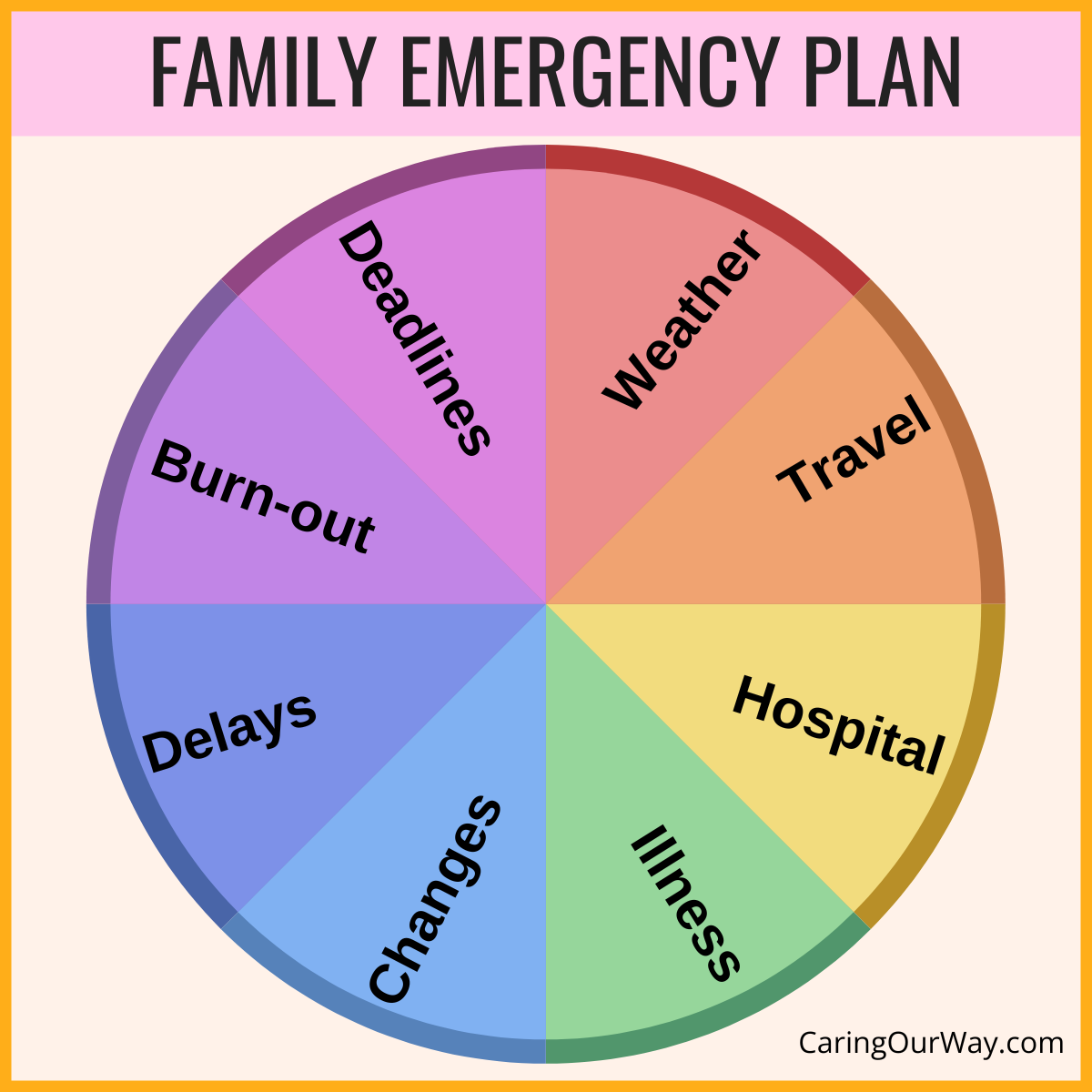
“Every worry needs a plan. We can name our worry around “Who’s my backup?, or “What do I do in case of an emergency?”, and then we can really start

When a parent is diagnosed with Alzheimer’s or another type of dementia and the other parent begins their caregiving journey, the dynamic between the caregiving parent and child shifts dramatically.
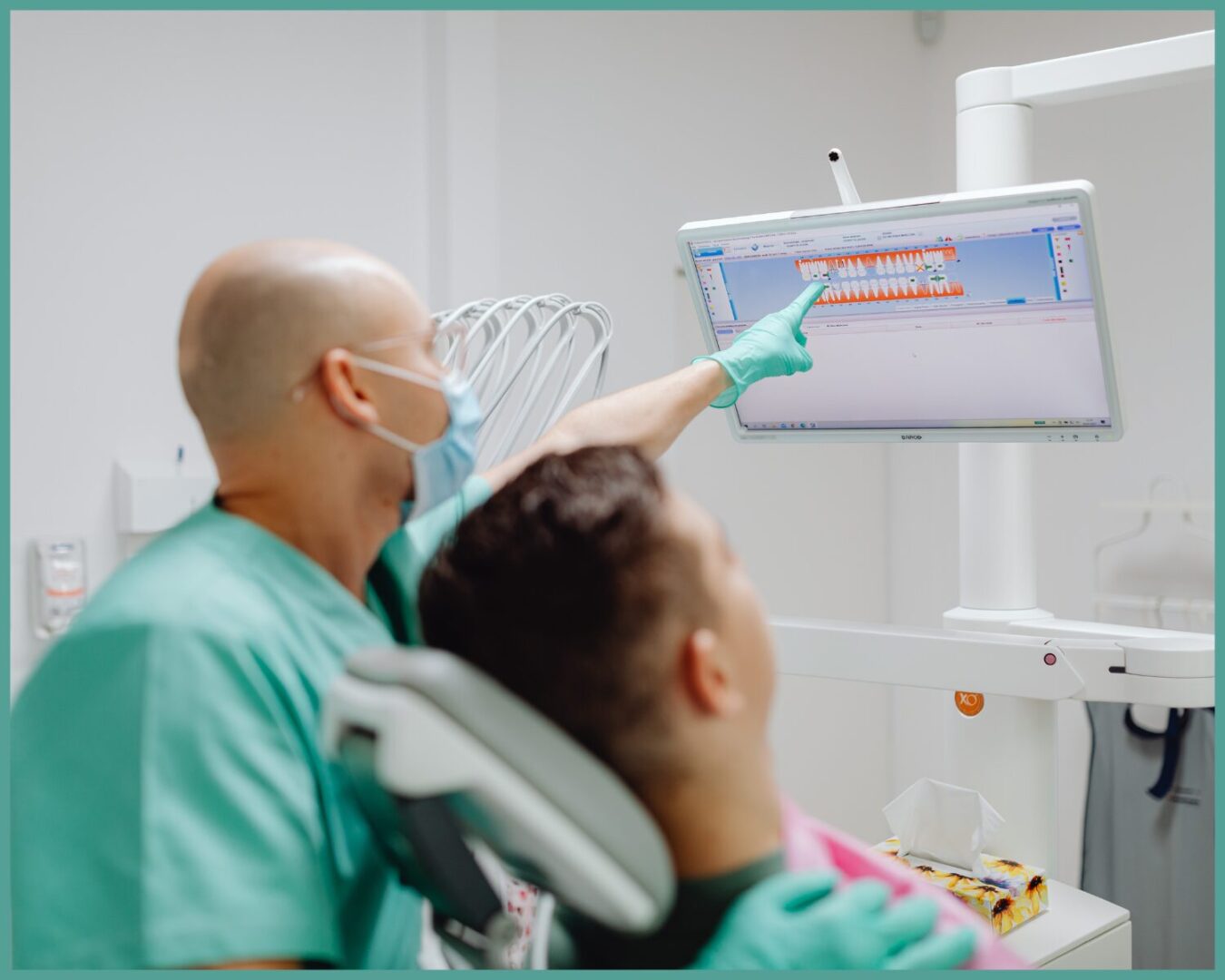
“I discovered a growth on his gum that was only slightly smaller than a marble. That’s when I realized dental care involves much more than just brushing teeth.” As caregivers

When your loved one experiences delusions or hallucinations for the first time, it can be frightening and overwhelming for everyone involved. As caregivers for our loved ones with Alzheimer’s and

Instead of trying to reclaim what dementia takes away, embrace the present — what your care receiver has access to now. As caregivers for our loved ones with Alzheimer’s and

“If you give me a spa certificate but no gift of time to go with it, I’ll probably never use it.” As friends and family of Alzheimer’s and other dementia

“I wish I’d started monitoring my husband’s medication sooner.” As caregivers for our loved ones with Alzheimer’s and other types of dementia, we’ve learned that medication management becomes increasingly challenging.

“We’ve both had ‘that’ trip — the last trip that you take when you decide we’re not traveling ever again with our care receiver. Or, as we like to say,
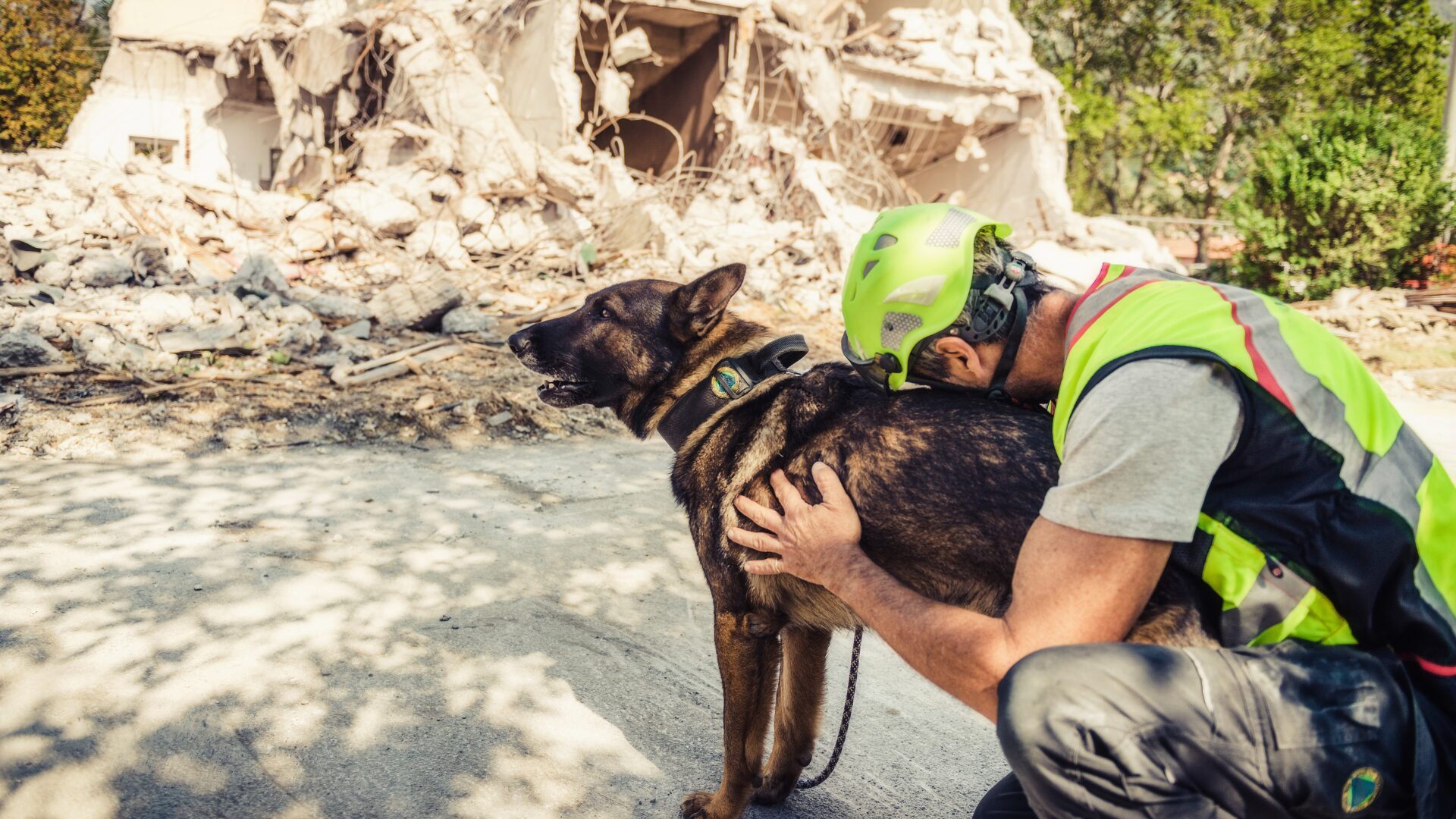
The moment you realize your loved one with dementia is missing, every second feels critical. While the natural instinct is to immediately begin searching, having a clear action plan can

The secret to successful holiday celebrations with our dementia care receivers isn’t perfect decorations or parties — it’s having a peaceful retreat space ready for them when needed. As caregivers

We wish we’d known about sporks and low bowls much earlier with our care receivers dining! As caregivers for our loved ones with Alzheimer’s and other types of dementia, we’ve
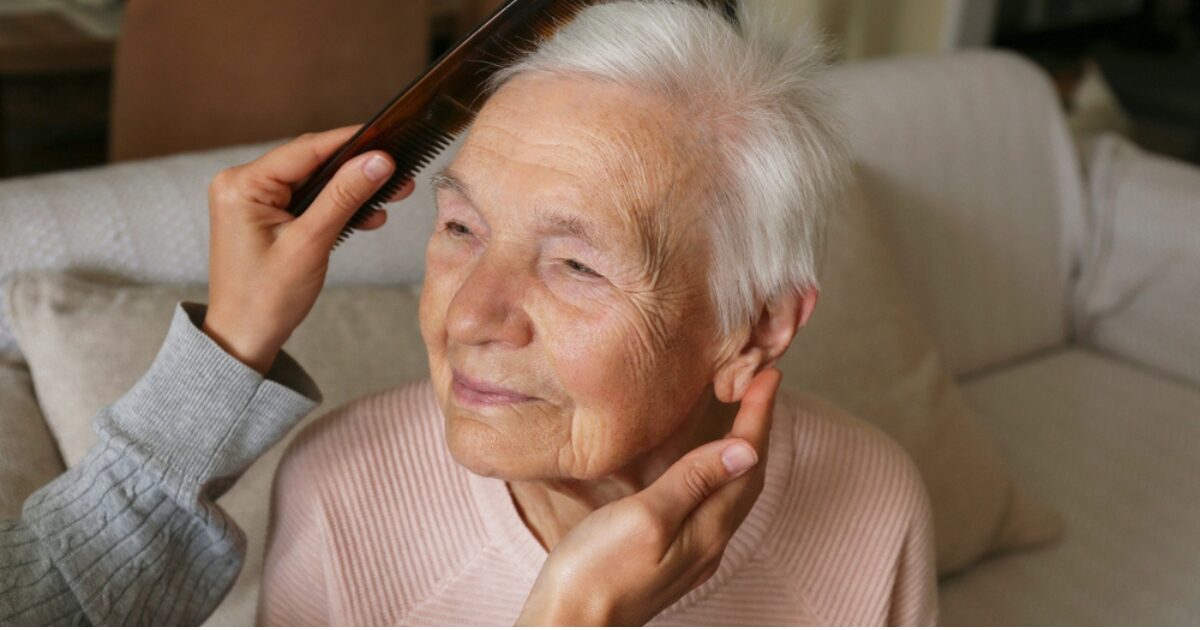
I wish I’d realized I didn’t have to complete grooming tasks at one time! As caregivers for our loved ones with Alzheimer’s and other types of dementia, we’ve learned that

We wish we’d known we could let the shower go away much earlier in our caregiving journeys. As caregivers for our loved ones with Alzheimer’s and other types of dementia,

Wisdom we wish we had about all phases of incontinence before it began. As caregivers for our loved ones with Alzheimer’s and other types of dementia, we’ve learned overnight incontinence

Wisdom We Wish We Had About Incontinence Once It Began. As caregivers for our loved ones with Alzheimer’s and other types of dementia, we’ve learned that full incontinence is an

Three Indispensable Tips for Easier Incontinence Care. We both wish we knew how to navigate all aspects of incontinence in our care receiver before it began. As caregivers for our

Who knew that understanding the stages of incontinence could make such a difference in our caregiving journey? As caregivers for our loved ones with Alzheimer’s and other types of dementia,

Incontinence can be one of the most difficult areas of our caregiving journeys. It’s personal. It’s awkward. It’s rarely something discussed — by anyone — making it potentially uncomfortable to

When a close family member is diagnosed with dementia, it can be uniquely challenging for young adults to navigate this new reality. We are Nancy and Merritt Treaster. During Merritt’s

You’re going to wish you’d known about padding hard corners earlier in your caregiving journey! We are Nancy Treaster and Sue Ryan. Through our experiences as caregivers for our family

You’re going to wish you knew about the fifth tip for managing your loved one’s independence much earlier! We are Sue Ryan and Nancy Treaster. As caregivers for our family

If you can successfully leverage tip one in this episode you will have an easier path to taking away the car keys! As caregivers for our husbands, parents, and other

You’re going to wish you’d known the third tip for wandering outside in the very beginning! As caregivers for our families with dementia, we’ve learned that wandering is a common

Who knew being more positive in our communications would make such a difference? As caregivers for our husbands, parents, and other loved ones with types of dementia, we’ve learned communication

Does it feel like a punch in the gut every time you realize something new your loved one has forgotten? As caregivers for our husbands and parents with Alzheimer’s disease